Non-toxic bed bug control by Seva
Bed bugs can resist sprays. They can't resist drying out.
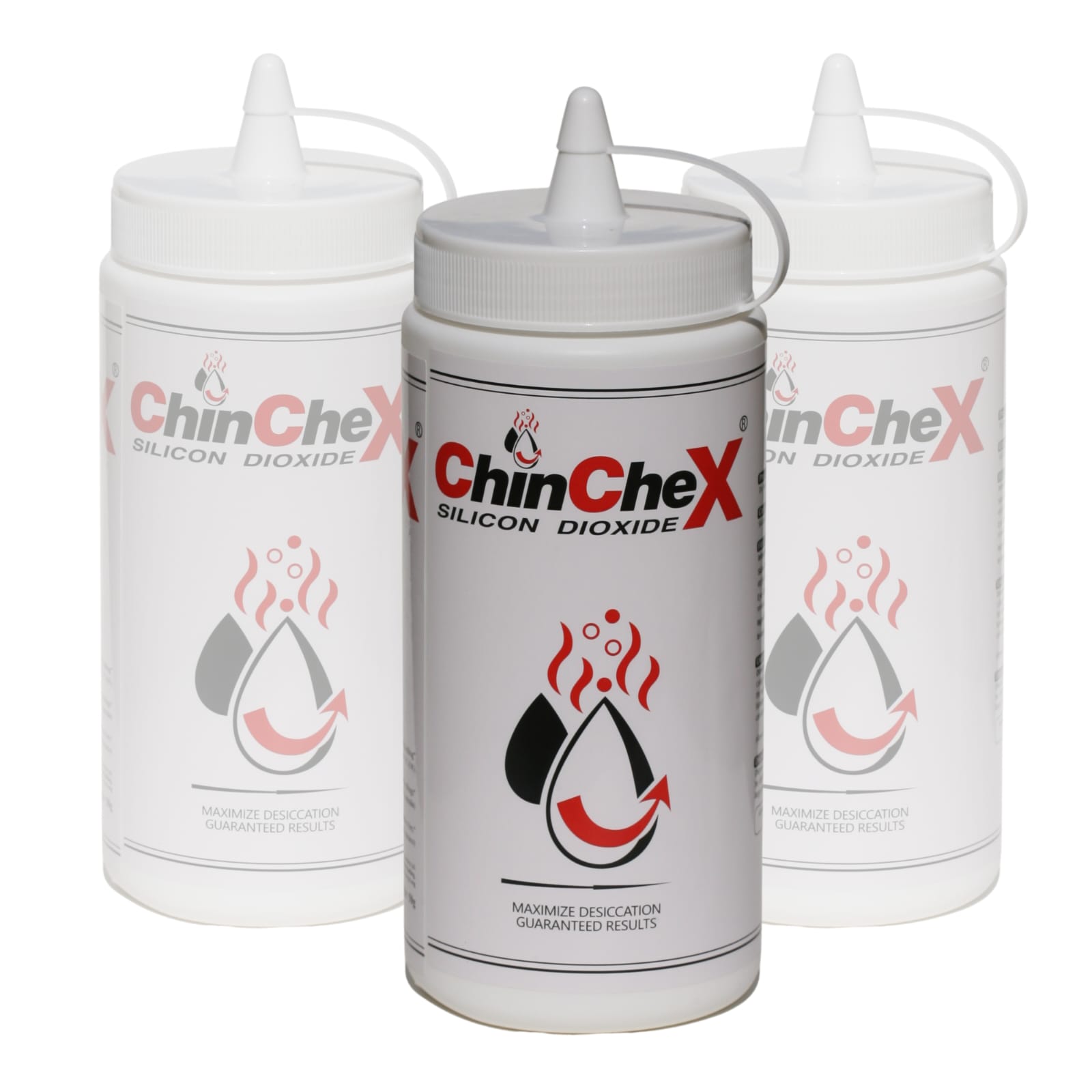
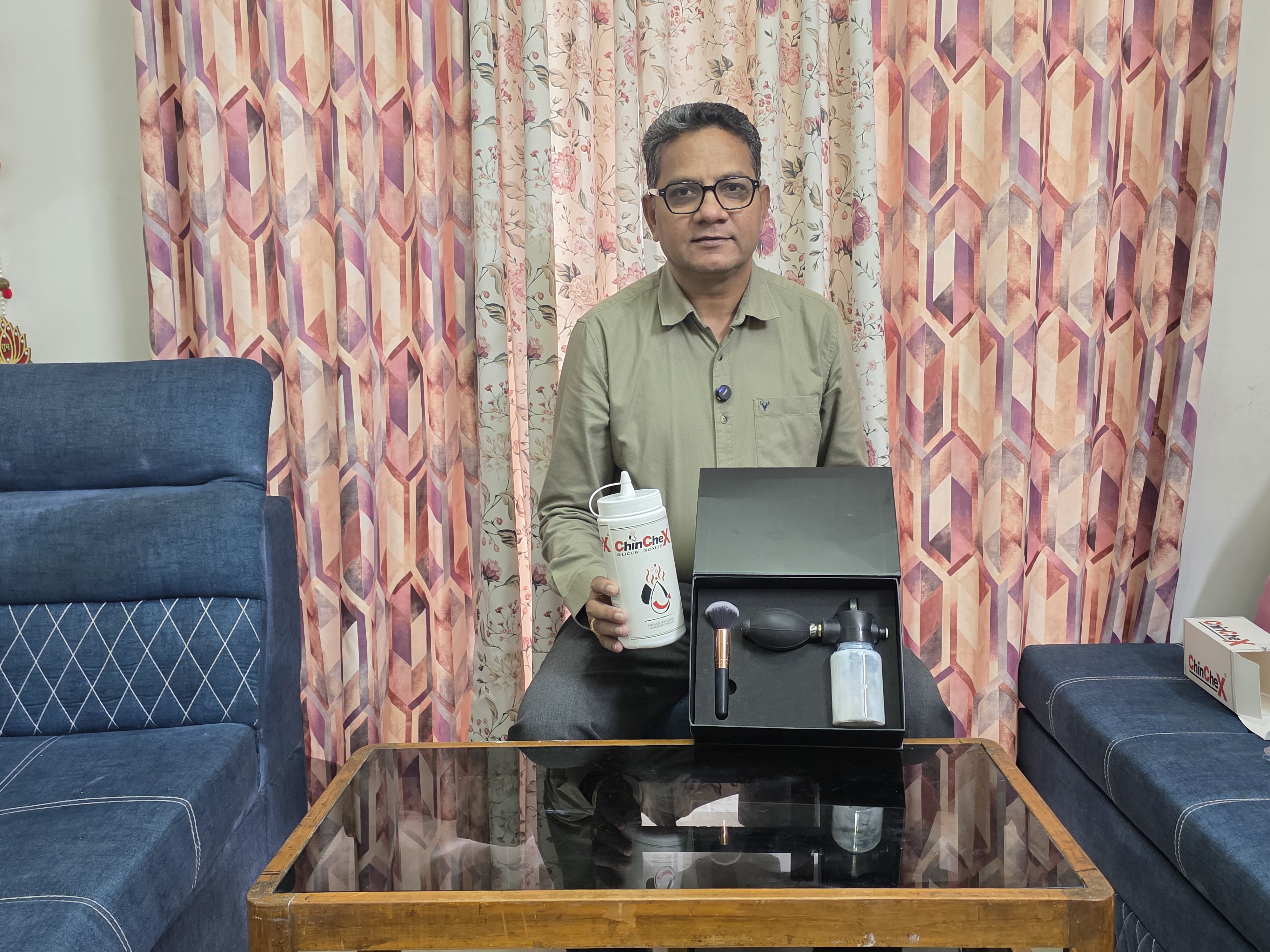
Seva Facility Services supplies and applies ChinChex, a high-purity amorphous silicon dioxide desiccant dust developed by Hong Kong's ChinChex Ltd. It kills bed bugs physically, by dehydration, with no neurotoxins, no fumes and no smell.
Indefinite residual protectionA mineral dust that doesn't evaporate or break down. Kept dry, it stays active for years.
What happens after a bed bug touches ChinChex
1 hourDust settles and the room is safe to re-enter
8 hoursFirst mortality from contact
24–72 hrsBed bugs that contact the dust are dead
7–21 daysFull population control as harbourages clear
Why bed bugs keep coming back after spraying
Bed bug populations have built resistance to the common insecticide classes: pyrethroids, organophosphates and neonicotinoids. A spray may knock down what it hits, but survivors breed a tougher generation, and the room is left with chemical residue and fumes.
ChinChex doesn't rely on poisoning the insect's nervous system. It strips away the waxy layer that stops the bug from losing water. That is a physical process, so there is nothing for bed bugs to adapt to.
It is placed exactly where bed bugs live and travel, and it keeps working there long after a spray would have worn off.
Where bed bugs hide, and where we apply it
| Compared on | Chemical insecticide sprays | ChinChex desiccant |
|---|---|---|
| How it kills | Neurotoxic chemical action | Physical dehydration |
| Resistance | Bed bugs have developed resistance | Bed bugs can't develop resistance to desiccation |
| Indoor air | Fumes and chemical residue | Odourless, chemically inert, no air contamination |
| How long it lasts | Breaks down over time, needs re-spraying | Stays active for years when dry and undisturbed |
| Re-entry | Wait for fumes to clear | About one hour, once the dust settles |
How ChinChex kills bed bugs
Every bed bug is protected by a thin waxy lipid layer on its exoskeleton that locks water in. ChinChex removes it.
-
Contact
The bug crawls over a treated crack, seam or joint and picks up microscopic silicon dioxide particles.
-
Absorption
The particles absorb the protective waxy layer from the exoskeleton.
-
Dehydration
With its water barrier gone, the bug dries out rapidly and irreversibly, usually within 24 to 72 hours.
Non-systemic: it acts only on contact, never through the air or food.
How our team treats a room
A targeted application into harbourages, not a blanket spray. Most homes are back in use the same day.
-
1
Inspect
We locate active harbourages in beds, sofas, wardrobes, baseboards and wall junctions.
-
2
Apply a fine layer
A bulb duster and brush place a thin, even film deep into cracks, joints, seams and voids.
-
3
Clean open surfaces
Excess dust on walking areas is wiped with a damp cloth or vacuumed. Cracks and voids are left treated.
-
4
Re-enter after about an hour
Once the airborne dust settles, the room is ready. The treatment keeps working for as long as it stays dry.
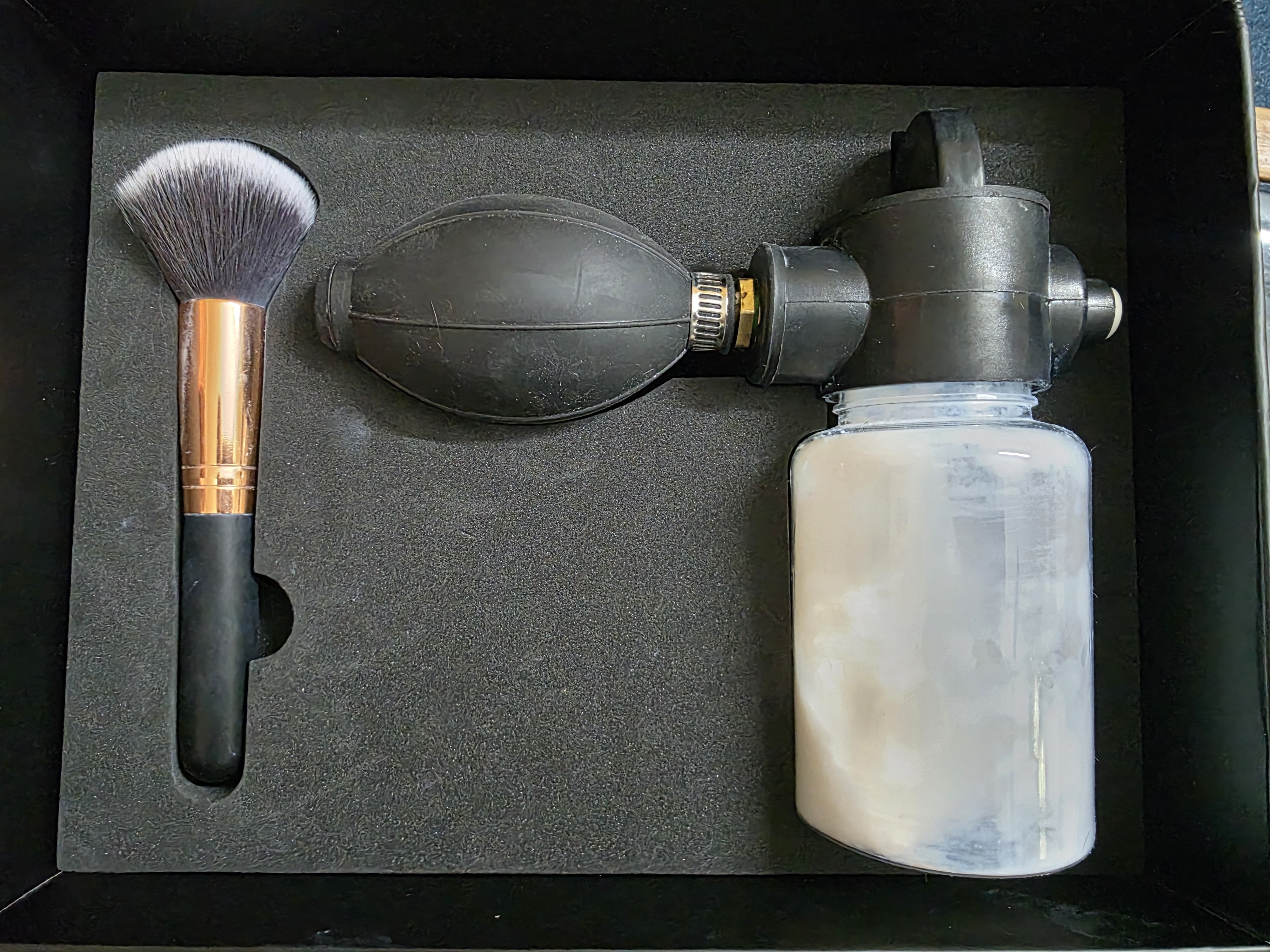
The ChinChex application kit
ChinChex is supplied in a squeeze bottle with a fine nozzle, and our technicians use a dedicated kit for precise placement.
- Nozzle bottlePuffs dust straight into joints and gaps
- Bulb dusterReaches wall voids and deep furniture recesses
- Soft brushWorks the dust into seams, piping and fabric folds
Safe for the rooms people actually live in
ChinChex is free from neurotoxins, which makes it well suited to family homes, hotels and healthcare spaces.
Non-toxic and chemically inert
No pyrethroids, organophosphates or neonicotinoids. Zero risk of toxic chemical exposure.
Odourless, no fumes
Nothing evaporates into the room, so there is no indoor air contamination.
Suitable for homes with children
Applied inside bed joints, headboards and behind baseboards, out of reach of children and pets.
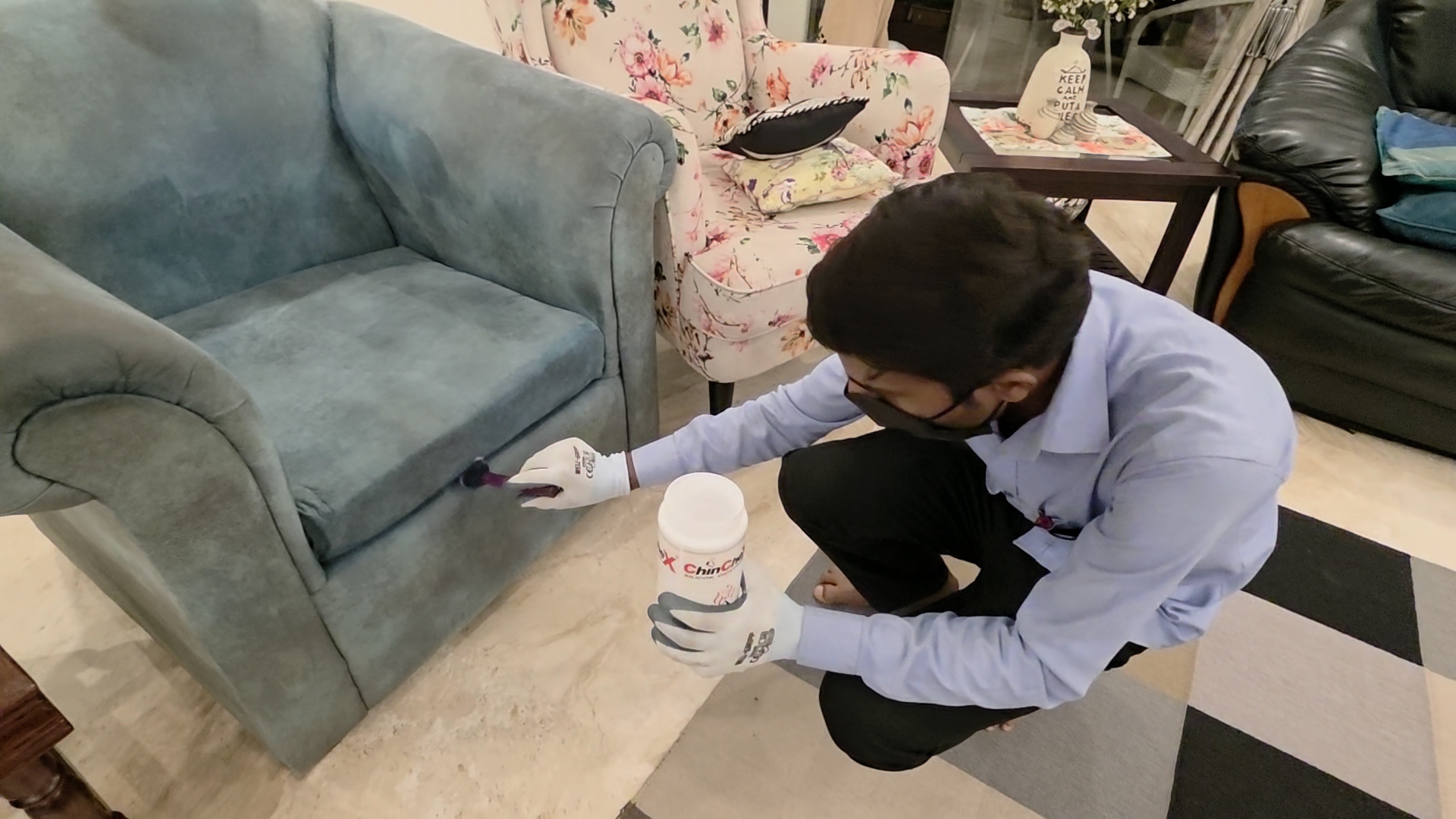
During application
Simple precautions while the dust is in the air
- Applicators wear an N95/FFP2 particulate mask and safety glasses to avoid mild irritation.
- People with asthma or other respiratory conditions stay out until the dust settles.
- Everyone can return roughly one hour after application.
Keep it working after we leave
ChinChex only needs two things to stay effective: to stay dry, and to stay where it was placed.
Keep treated areas dry
Moisture and liquid spills temporarily reduce its drying action until the area dries again.
Clean only open floors
Wipe or vacuum dust from high-traffic walking areas, and leave the fine layer in cracks and voids.
Don't wash out the voids
Avoid washing or vigorously vacuuming treated voids, under-furniture recesses and crevices.
What about bed bug eggs?
The dust doesn't penetrate unhatched eggs, but it waits for them. Newly hatched nymphs pick it up the moment they crawl over a treated surface and dehydrate quickly, which breaks the breeding cycle.
Where our clients use it
Anywhere people sleep, sit or stay, and chemical sprays are unwelcome.
Homes and apartments
Hotels and resorts
Hostels and PG accommodation
Hospitals and clinics
Staff quarters and dormitories
Offices and waiting areas
Cinemas and auditoriums
Buses and sleeper coaches
Why get ChinChex from Seva Facility Services
We don't just sell a bottle. We find where the bed bugs are and treat those exact spots.
Inspection first
Our team maps every harbourage before a single puff of dust is applied.
Trained applicators
Technicians use the right kit and protective gear for precise, low-mess placement.
Follow-up support
We check back as harbourages clear over the 7 to 21 day control period.
Pan-India from Pune
Supply and professional application for homes and facilities across India.
Product at a glance
- Active
- High-purity amorphous silicon dioxide (SiO₂)
- Developed by
- ChinChex Ltd., Hong Kong
- Mode of action
- Physical dehydration on contact
- Target
- Bed bugs, including newly hatched nymphs
- Residual effect
- Indefinite while dry and undisturbed
- Re-entry
- About 1 hour after application
- Format
- Fine dust in a nozzle squeeze bottle
Frequently asked questions
Can't find your answer? Talk to our team about your bed bug problem.
+91 9112003300 Download FAQ PDFWhat is ChinChex?
ChinChex is an engineered, high-purity amorphous silicon dioxide (SiO₂) desiccant dust developed by Hong Kong's ChinChex Ltd. It eliminates bed bugs through a physical mode of action: dehydration.
How is ChinChex safer than insecticides?
Synthetic insecticides such as pyrethroids, organophosphates and neonicotinoids release neurotoxic fumes and chemical residues. ChinChex is non-toxic, non-systemic, odourless and chemically inert, with zero risk of toxic chemical exposure or indoor air contamination.
Why is it better than insecticides at controlling bed bugs?
Bed bugs have developed resistance to chemical insecticides. ChinChex bypasses insect biology: its microscopic particles absorb the protective waxy lipid layer from the bug's exoskeleton on contact, causing rapid, irreversible dehydration. Bed bugs cannot develop resistance to that.
How long should we wait before entering a treated room?
Because ChinChex is non-chemical, you can re-enter as soon as the airborne application dust settles, typically about one hour after application.
What should we do with dust left on the floor?
ChinChex is placed in cracks, crevices, wall voids, baseboards, bed frames and floor-wall junctions. Wipe with a damp cloth or vacuum any excess dust on open, high-traffic floor areas, but leave the fine layer in cracks and voids undisturbed so protection continues.
How long does the effect last?
ChinChex offers indefinite residual protection. As an inorganic mineral dust it does not degrade, evaporate or break down like insecticide sprays. As long as it stays dry and undisturbed, it remains fully active for years.
What care keeps the treatment effective?
Keep treated areas dry, since moisture or spills temporarily reduce its desiccant action. Avoid washing out or vigorously vacuuming treated voids, under-furniture recesses and crevices where bed bugs hide and travel.
Is it safe in a home with young children?
Yes. It is non-toxic and free from neurotoxins, so it suits family homes. It is applied into inaccessible harbourages such as bed joints, inside headboards and behind baseboards, out of reach of active children and pets.
What precautions are needed during application?
Applicators wear a standard N95/FFP2 particulate mask and safety glasses to avoid mild mechanical irritation of the eyes and airways. People with respiratory conditions such as asthma should stay out of the room until the dust has settled.
How long does it take to control bed bugs?
Once a bed bug contacts ChinChex, mortality can start in as little as 8 hours and occurs within 24 to 72 hours. Full population control across an infested space is typically achieved within 7 to 21 days as harbourages clear.
Does ChinChex work on bed bug eggs?
Silica dust does not penetrate the shell of unhatched eggs, but it acts as a lethal barrier. As soon as nymphs hatch and crawl over the treated surface, they pick up the dust and dehydrate rapidly, halting the breeding cycle.
Get rid of bed bugs without the chemicals
Book a ChinChex treatment with Seva Facility Services. We'll inspect, treat every harbourage, and follow up until the problem is gone.